Our history
The clinic's story began with Milan's tram workers: more than a century of mutual aid, prevention and care.
- 1920
With Milan since 1920
1920 was an important year for Milan's tram workers, as it saw the birth of two institutions: the Relief and Sickness Fund (Cassa di Soccorso e Malattia) and the Special Pension Fund (Cassa Speciale di Previdenza).
At the request of the company's management, Dr Luigi Resnati set up the first of the two, which initially had two branches: sickness cover and a preventive health service. Sickness cover at the time was limited: it was medical care only and did not include medicines or treatment aids. It was nonetheless a significant beginning, supported by a monthly contribution from the tram workers themselves.
It was mutual aid in the truest sense of the word, a spirit symbolised by the emblem on the cover of the Relief Fund's statute: two hands clasped in solidarity.
- 1922
The holiday camps
In 1922 the Relief Fund added a Holiday Camps Service to its activities. The idea came from a humanitarian episode outside the company's usual work, yet it is especially meaningful: it shows a solidarity that crossed national borders – a European solidarity, one might say – and it does Milan's tram workers great credit.
In the winter of 1919–1920 the Austrian government, which after the war no longer had access to the Adriatic coast, asked Italy to host one hundred children with lymphatic conditions who needed seaside treatment. Thanks to the urban tram workers' union, the young Viennese stayed for a few days at the company depot in Via Meda on their way through Milan, before travelling on to the coast.
A warm letter of thanks from the mayor, Caldara, survives as a record. This chance experience set things in motion: in the summer of 1920 the urban tram workers' union organised the first holiday camp in Novi Ligure, followed the next year by one in Forte dei Marmi.
From 1922 onwards, seaside and mountain camps were organised by the Relief Fund, later by Gesai and then by the Foundation, and they have continued without interruption to this day.
- 1933
The hospital
In 1933 the Relief Fund built the Tram Workers' Hospital in Viale Campania. In keeping with the times it was named "XXVIII Ottobre" until the end of the Second World War, when it was renamed after Luigi Resnati. The hospital brought together the health services of both the Relief and Sickness Fund and the company's management, which until then had been run from a few rooms at the Via Asole depot.
The new hospital offered every specialty available at the time, most notably general surgery and maternity. How many pink and blue ribbons were hung at the entrance to celebrate the birth of tram workers' children!
But times change: with Law no. 833 of 22 December 1979, the ATM Relief and Sickness Fund was also absorbed into the local public health authority.
- Via Farini
Our home
Anticipating these structural changes, the Relief and Sickness Fund had meanwhile built new premises in Via Farini, on the site of an old interurban depot. They housed the company health service, the Relief Fund's medical activities and the welfare services of GIA, which in the meantime gave way to GESAI, the supplementary welfare services organisation.
Changing habits and new ways of spending free time then called for new choices, which also involved other company-related bodies such as the ATM Recreational Club.
- The Foundation
The Foundation
This is how Fondazione ATM was born: a modern, non-profit body established under article 14 of the Italian Civil Code and Legislative Decree no. 460 of 4 December 1997.
Highly flexible, this new organisation can bring together energies that had been scattered and help build real solidarity between employees and retirees, pursuing welfare, human, social and cultural development, out-of-school education and physical and mental wellbeing.
- 2012
The clinic
In 2012, through prevention and screening campaigns, came the idea of once again offering our members advanced healthcare services at affordable prices.
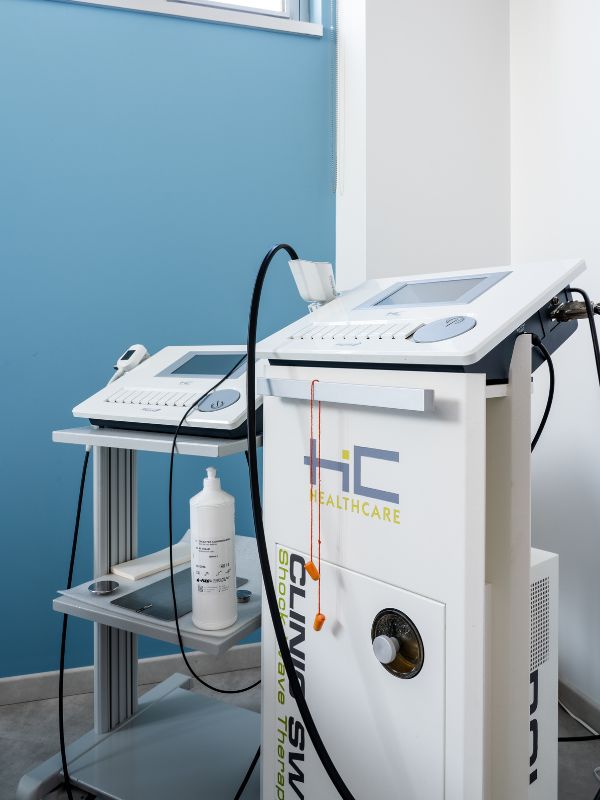
Starting from those campaigns, we saw how much it meant to the people we serve to have access to affordable care without long waits. So we kept broadening what we offer, all the way to today's clinic, with around 20 medical specialties, diagnostic imaging and laboratory tests on site.
We continue to expand our services in the months ahead, so that our patients feel supported from the very beginning to the very end of their diagnostic and prevention journey.